Blog · October 19, 2026 · Updated October 19, 2026
A call transfer is not a handoff
A transfer moves the caller, not what the voice agent knew, promised, or tried. Hive AI voice agents hand calls to your team with the receipt: Knowledge Image version, passages, capabilities checked, and the reason for the handoff.
BY HIVE FORENSICS AI
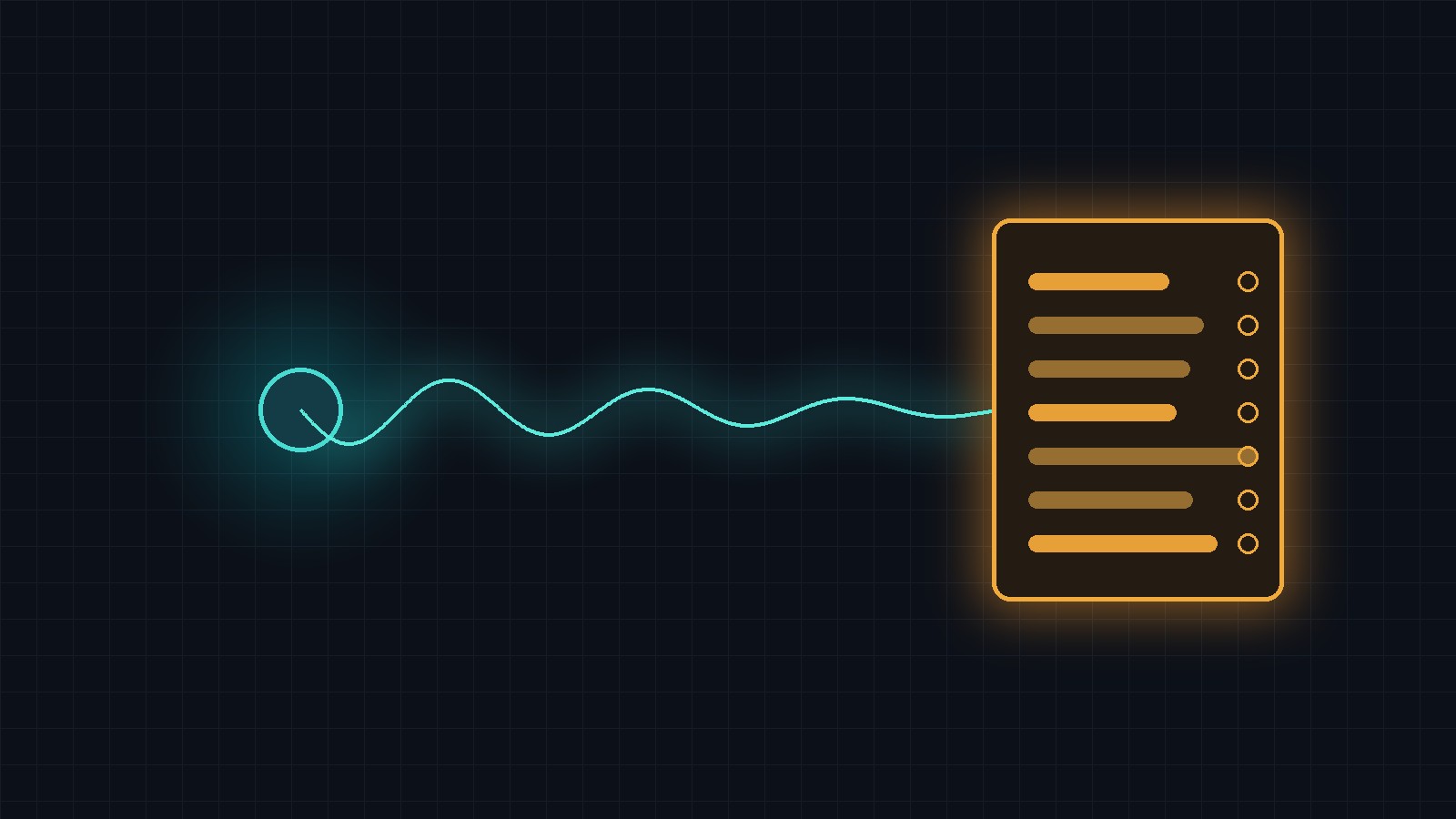
Most voice agents are sold with the same safety promise: if the AI can't handle a call, it transfers to a person. That sounds like a control. In practice, the transfer is usually the moment everything the agent learned on the call disappears. Your staff member picks up a ringing line, the caller starts again from the top, and nobody on your side knows what the agent already said, looked up, or tried to do. For production voice AI, a transfer that drops the context is not a handoff. It is a restart with a worse mood.
Picture a busy Tuesday at a clinic. A caller wants to move an appointment and asks whether the new slot is covered by their plan. The voice agent finds two open slots, quotes a price from the fee schedule, then hits a question about coverage it has no grant to answer, so it transfers. Your front desk answers and hears, "I already told the robot all of this." Worse, they have no idea the agent quoted a price. Was it the current fee schedule? Did it hold one of those slots? The person who now owns the call is the one person who can't see what just happened.
Hive AI builds voice agents, chatbots, and AI integrations for owners who want the hard calls to land with a person who already knows the story.
What a transfer actually moves
A transfer moves audio. The phone system bridges the caller to a new line and the agent drops off. Some setups add a one-line summary or a caller ID screen pop. That is better than nothing, but a summary is the model's own retelling of the call, and it can leave out exactly the part that matters, like the price it quoted or the slot it said it was holding.
What a transfer does not move is the state of the call: which sources the agent answered from, what it promised, which actions it took, which ones it tried and was denied, and why it stopped. That is the information your staff member needs in the first ten seconds, and it is the information a plain transfer throws away.
What a real handoff carries
A handoff is a transfer plus the record of the call so far, delivered to the person before they say hello. When a Hive voice agent hands a call to your team, it passes along the same receipt it keeps for every call:
- the reason for the handoff, stated plainly, such as "coverage question, no grant to answer"
- the version of the Knowledge Image it answered from, so a quoted price or policy can be checked against the exact source
- the passages behind each answer it gave the caller
- every capability it used or tried, with the exact parameters and whether each was allowed or denied, so your staff knows a slot was held or that nothing was booked
- anything still open that the person now owns
With that in front of them, your front desk can open with "I see you'd like to move Thursday's appointment to Friday at ten, and you have a question about coverage." The caller doesn't repeat themselves, and nobody has to guess what the AI already promised.
Why it has to be designed in
You can't fix this with a longer summary prompt. A clean handoff depends on the agent having a structured record to hand over in the first place. That is why we compile the knowledge a voice agent may use into a versioned Knowledge Image you can hash, pin, and replay, and why every action it can take is a named capability with explicit limits, denied by default. When nothing grants an action, the agent hands the call to a person, and the receipt goes with it. The handoff isn't an extra feature. It is what the structure produces when the agent reaches the edge of what it is allowed to do.
Start with one call type
Work with Hive AI starts with a five-day Bootcamp: one workflow, your real call types and documents, and a Friday recommendation with an evidence path. You find out early which calls your voice agent should finish, which it should hand off, and what your team will see when it does.
Start a HIVE Bootcamp or talk to Hive AI about a voice agent or chatbot