Blog · November 21, 2026 · Updated November 21, 2026
A customer photo is not a diagnosis
A chatbot that looks at a customer photo and names the cause, the part and the price is making a call only a tech, dentist or provider on site can make. Hive AI builds agents for home services, dental practices and med spas that treat photos as intake, ask the safety questions and route to the right person.
BY HIVE FORENSICS AI
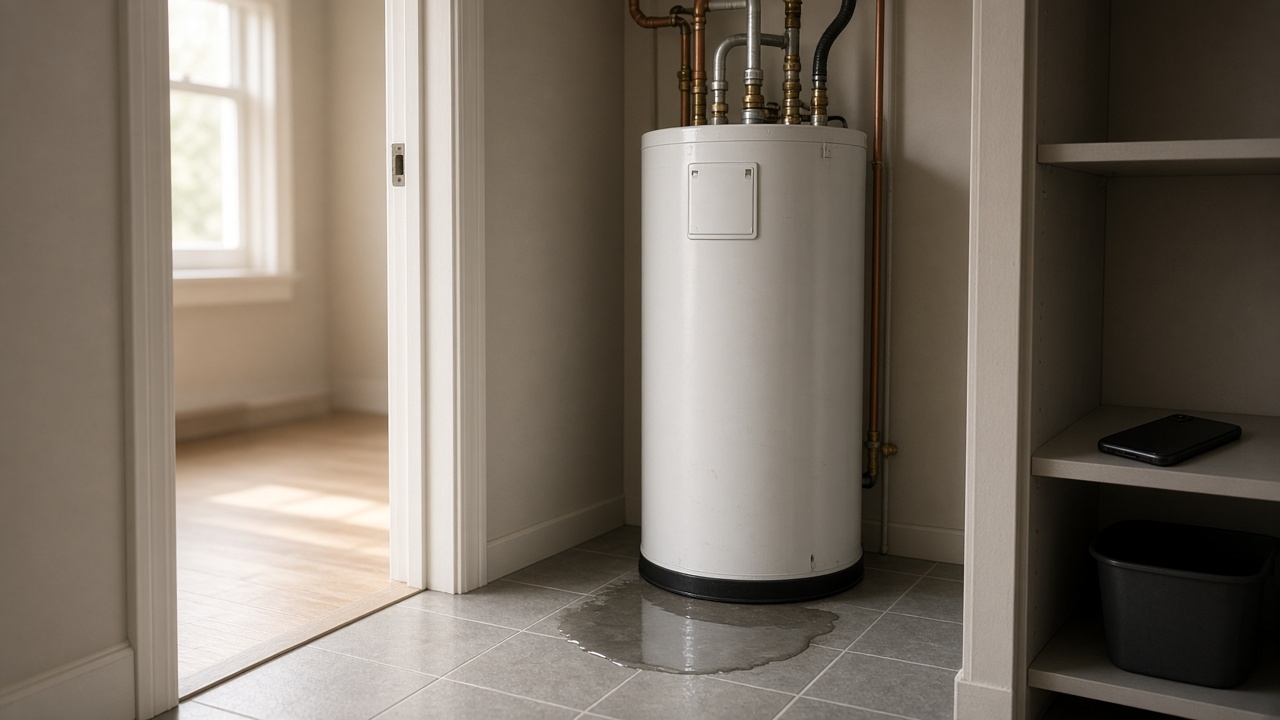
A homeowner in Delray Beach notices water pooling under the water heater on a Saturday morning. She takes a photo, opens the plumbing company's website chat and uploads it: "Is this bad? What do I need?" The chatbot looks at the photo and answers with confidence: "That looks like a failed temperature and pressure relief valve. It's a simple fix, usually under $200. We can send someone Monday."
She waits until Monday. The tech arrives and finds the tank itself is leaking from the bottom, the floor underneath is soft, and the unit needs to be replaced. The job is a different price, a different day and a different conversation. Her first words are "your website said it was a valve." Two days of water went into a subfloor because a chatbot made a call that only a person standing in front of the heater could make.
A customer photo is not a diagnosis. It is evidence a customer chose to share, taken from one angle, in whatever light was available. It is useful. It is not enough to say what is wrong, what it will cost, or whether it can wait.
Why agents diagnose from photos
Modern AI models are good at describing images, and that is exactly the trap. A model can see a puddle, a corroded fitting, a cracked tooth or a red patch of skin and produce a fluent explanation of what it probably is. The answer reads like expertise. Customers like it, because it feels like getting help on a weekend instead of waiting for a call back.
The same pattern shows up in every business that invites photos:
- Home services. A photo of an outdoor AC unit, a roof stain, a breaker panel or a leak under a sink gets an answer about the cause and the fix.
- Dental practices. A patient sends a photo of a chipped tooth or swollen gum and the agent says it is "probably minor" or "likely needs a crown."
- Med spas. A client uploads a photo of a skin concern and the agent recommends a treatment and a number of sessions.
In each case the agent has crossed from intake into a professional judgment. The business now owns an answer that nobody licensed or qualified actually gave.
What a good agent does with a photo
A photo should make the handoff better, not replace it. The agents Hive AI builds for home services companies, dental practices and med spas treat an uploaded photo as intake, and follow a short set of rules:
- Acknowledge and attach. The agent confirms it received the photo and attaches it to the lead or booking record, so the tech, dentist or provider sees it before the visit.
- Describe, never diagnose. It can say what the customer reported ("water around the base of the heater") but it does not name a cause, a part, a price or a treatment.
- Ask the safety questions first. For home services: is water still flowing, is there a gas smell, is anything sparking, is anyone at risk. For dental: severe pain, swelling, fever or trouble swallowing. The answers decide urgency, not the picture.
- Route by urgency. If the answers point to an emergency, the agent gives the approved safety step (shut the water valve, leave the house and call the gas utility, call the after-hours line) and pages the on-call person by name. Everything else gets the earliest real slot.
- Set the expectation honestly. "Our tech will confirm the cause and give you a price on site" or "the dentist will examine it at your visit." No ranges unless the business approved them for that exact service.
- Send a receipt. The customer gets a message showing what was received, what was booked, who will follow up and when. The team gets the same record with the photo attached.
The questions to ask before you turn on photo upload
If your chatbot, text line or voice agent accepts photos, or is about to, ask your vendor or your team:
- Can the agent name a cause, a part, a price or a treatment from a photo? If yes, how is that blocked?
- Which safety questions does it ask before booking, and who approved them?
- Where does the photo go, and can the person doing the visit see it before arriving?
- When the answers point to an emergency, who exactly gets paged, and how do you know they saw it?
- What does the customer receive in writing after they send a photo?
If the answers are vague, the agent is improvising, and you will find out on site, in front of the customer.
Evidence over demos
A photo-diagnosis demo is impressive. It is also the fastest way for an AI agent to make a promise your team cannot keep. At Hive AI we build chatbots and voice agents for Florida home services companies, dental practices and med spas that collect better evidence, route it to the right person and leave a record of what was said, so your team walks in prepared instead of walking back a guess.
If you want an agent that turns customer photos into better visits rather than bad quotes, talk to Hive AI. If you want your own team to learn how to build agents with these guardrails, look at the Hive AI bootcamp.