Blog · November 18, 2026 · Updated November 18, 2026
A warranty claim is not a covered repair
A chatbot that tells a customer "you're covered" from a name match will promise free work your company has to walk back. Hive AI builds home services agents that check the exact unit, each warranty's owner and terms, disclose fees up front, and keep a receipt for every coverage answer.
BY HIVE FORENSICS AI
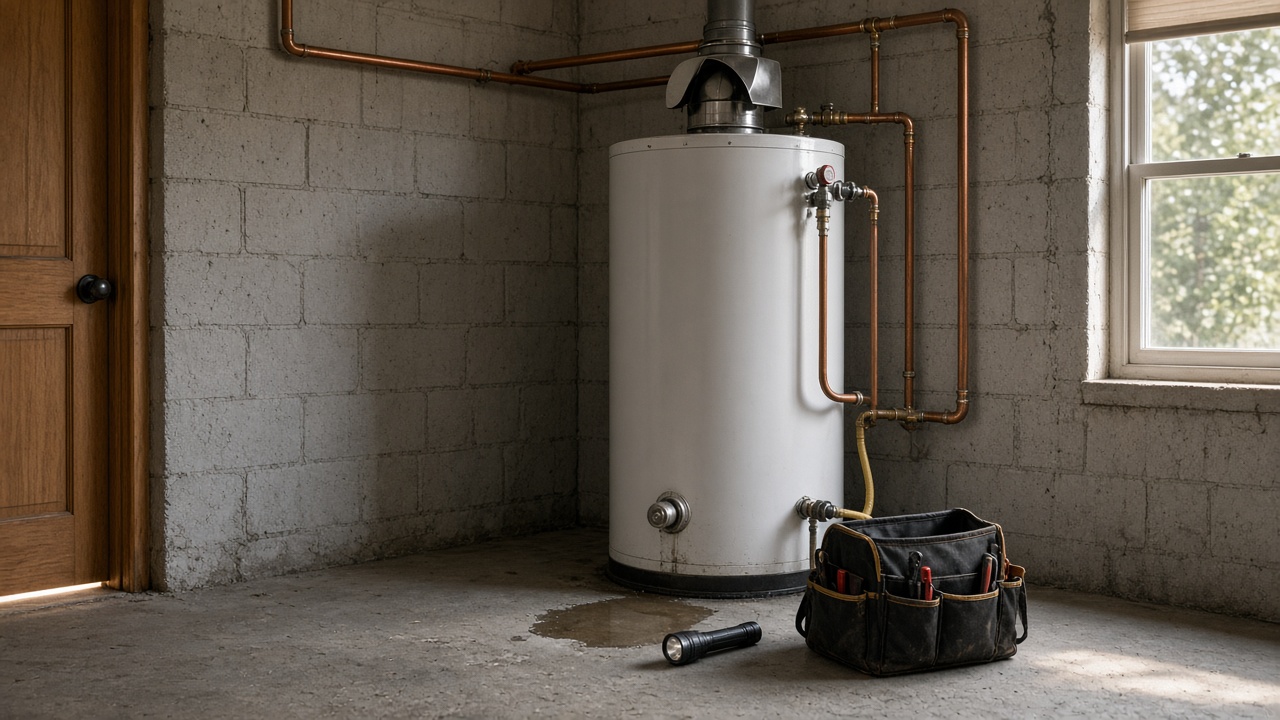
A homeowner in Coral Springs messages a plumbing company's website chat on a Sunday: "Water heater is leaking from the bottom. You installed it, it should still be under warranty, right?" The chatbot finds the customer's name in the CRM, sees an install from a few years back, and answers: "Yes, you're covered. We'll send someone Monday at no charge."
Monday the technician arrives and reads the label. The tank warranty is with the manufacturer and needs a registered serial number. The company's own labor warranty ran out last spring. The leak is from a corroded fitting that neither warranty covers. Now the tech is standing in a garage explaining that the "free visit" has a trip charge, the homeowner feels misled, and the review that follows mentions the chatbot by name.
A warranty claim is not a covered repair. It is a question, and the answer depends on records the chatbot never checked.
Why "you're covered" goes wrong
Warranty questions look simple to an AI agent because the customer frames them as yes or no. In practice, three or four separate facts decide the answer:
- Whose warranty it is. Manufacturer parts coverage, the contractor's own labor guarantee, a home warranty company and an extended service plan are different promises with different owners.
- Which unit it is. A customer with two AC systems, or a house with a replaced water heater, can have one unit in warranty and one out. A name match in the CRM does not tell you which one is leaking.
- What the dates and conditions say. Install date, registration, required annual maintenance and the coverage term all matter. Many manufacturer warranties shrink if the unit was never registered or maintenance was skipped.
- What actually failed. Parts may be covered while labor, refrigerant, fittings, code upgrades or water damage are not. Nobody knows that until someone looks.
A person at the front desk knows to say "Let me check your records and we'll confirm before the visit." An agent that answers from a customer name and a guess will promise free work your company has to either eat or walk back.
What a safe warranty answer looks like
When a customer asks an AI agent whether a repair is covered, the agent should treat it as an intake with evidence, not a promise:
- Identify the exact equipment: address, unit type, install job, model and serial when it is on file, or ask for a photo of the label.
- Look up each coverage that applies, by owner and term, from the actual install record and agreement, not from memory of a similar job.
- Say what is known and what is not: "Our labor warranty on that install ended in April. The tank may still be under manufacturer coverage; we'll confirm with the serial before the visit."
- Quote the visit honestly: if a diagnostic or trip fee may apply, the customer hears it before they book, not in the driveway.
- Route edge cases to a named person: denied claims, home warranty company dispatches and anything involving water damage go to the service manager, with the case attached.
How Hive AI builds it
When Hive builds a chatbot or voice agent for an HVAC, plumbing, electrical or appliance company, warranty questions follow the same rule as every other promise: the agent can only say what the records support.
The agent reads from the client's real install history, service agreements and pricing rules, compiled into a versioned knowledge base the team can review. It is allowed to look up coverage and book a diagnostic visit. It is not allowed to waive a fee or declare a repair free unless the install record and warranty terms on file say so. Anything it cannot confirm is said plainly, and the case goes to a named person instead of a vague "someone will call you."
Every warranty conversation leaves a receipt: which unit, which records the agent checked, which coverage it found, what it told the customer and who took the handoff. When a customer later says "your chatbot told me it was free," the owner can open the receipt and see exactly what was said and why.
The owner's checklist
Before you let an AI agent answer warranty questions, check that it can:
- Tell apart manufacturer, labor, home warranty and service-plan coverage.
- Match the question to a specific unit, not just a customer name.
- Read install dates, registration and maintenance history from your records.
- Disclose possible fees before the visit is booked.
- Hand denied or unclear claims to a named person with the case attached.
- Keep a receipt of every coverage answer it gives.
If it cannot do these, it should not be saying "you're covered."
Talk to Hive
Hive AI builds chatbots and voice agents for home services companies that answer warranty, pricing and scheduling questions from your real records, and keep a receipt for every answer. If warranty calls are eating your dispatcher's day, contact Hive for a walkthrough on your own service data, or learn how we train teams at hiveai.tech/bootcamp.